

The Importance of Roof Inspection: Why Regular Roof Inspections Matter
Updated: Jan 20
Your roof is one of the most important parts of your home. It protects you from the elements, keeps your family safe, and helps maintain your home's value. But many homeowners overlook the need for regular roof care. I want to share why regular roof inspections are essential and how they can save you time, money, and stress in the long run.
Understanding the Importance of Roof Inspection
A roof is exposed to harsh weather every day - rain, snow, wind, and sun. Over time, these elements can cause damage that isn’t always visible from the ground. That’s why the importance of roof inspection cannot be overstated.
When you schedule a professional roof inspection, experts look for small issues before they turn into big problems. For example, they check for missing shingles, cracked tiles, or damaged flashing around chimneys and vents. These small defects can lead to leaks, mold growth, and even structural damage if left untreated.
Regular inspections also help extend the life of your roof. By catching problems early, you can avoid costly repairs or a full roof replacement. Think of it like a health check-up for your home’s top layer.
What Happens During a Roof Inspection?
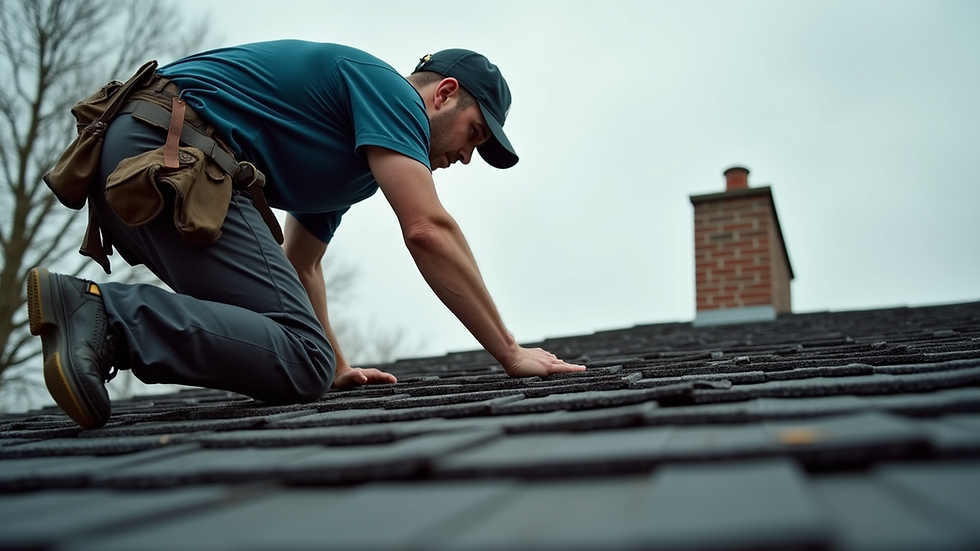
When you hire a trusted roofing company, they perform a thorough check of your roof’s condition. Here’s what typically happens:
Visual Examination - The inspector looks closely at the roof surface, gutters, and downspouts for signs of wear or damage.
Checking for Leaks - They inspect the attic and ceilings inside your home for water stains or moisture.
Assessing Roof Components - Flashing, vents, chimneys, and skylights are examined to ensure they are sealed properly.
Evaluating Roof Age and Materials - The inspector considers the roof’s age and the materials used to estimate its remaining lifespan.
Providing a Detailed Report - After the inspection, you receive a report outlining any issues found and recommendations for repairs or maintenance.
This process helps you understand your roof’s current state and what steps to take next.
Are Roof Inspections Worth It?
You might wonder if investing in a roof inspection is really necessary. The answer is a resounding yes. Here’s why:
Prevent Costly Repairs: Fixing a small leak early can save you thousands of dollars compared to repairing water damage or replacing an entire roof.
Increase Home Value: A well-maintained roof adds to your home’s curb appeal and resale value.
Avoid Insurance Hassles: Some insurance companies require proof of regular roof maintenance to cover damage claims.
Peace of Mind: Knowing your roof is in good shape means less worry during storms or heavy snowfall.
For example, a homeowner in New Hampshire noticed a few missing shingles during a routine inspection. The roofing company quickly replaced them, preventing water from seeping into the attic during the next rainstorm. Without that inspection, the damage could have been much worse.

How Often Should You Schedule a Roof Inspection?
The frequency of roof inspections depends on several factors, including your roof’s age, material, and local weather conditions. Here are some general guidelines:
New Roofs: Inspect every 2-3 years to ensure everything is holding up well.
Roofs Older Than 10 Years: Annual inspections are recommended to catch wear and tear early.
After Severe Weather: Always schedule an inspection after heavy storms, hail, or strong winds.
Before Selling Your Home: A recent inspection report can reassure buyers and speed up the sale.
In New Hampshire, where winters can be harsh and snow loads heavy, regular inspections are especially important. Snow and ice can cause ice dams, which trap water and damage your roof. Catching these issues early can prevent leaks and costly repairs.
What You Can Do Between Inspections
While professional inspections are crucial, there are simple things you can do to keep your roof in good shape between visits:
Clear Debris: Remove leaves, branches, and dirt from your roof and gutters regularly.
Trim Overhanging Branches: This prevents damage from falling limbs and reduces moss growth.
Check for Visible Damage: After storms, look for missing shingles or other obvious issues.
Keep Gutters Clean: Clogged gutters can cause water to back up and damage your roof edges.
Taking these small steps can help your roof last longer and reduce the chances of unexpected problems.
Trusting the Right Roofing Company
Choosing a reliable roofing company is key to getting the most out of your roof inspections. Look for a company with:
Local Experience: They understand New Hampshire’s weather and roofing challenges.
Veteran-Owned Values: Companies like Gorilla Roofing Pros bring dedication, honesty, and hard work to every job.
Positive Reviews: Check customer feedback to ensure quality service.
Clear Communication: They should explain findings and options in simple terms.
A trusted company will not only inspect your roof but also guide you on maintenance and repairs that fit your budget and needs.
Taking Action Today
Don’t wait for a leak or visible damage to think about your roof. Scheduling a roof inspection today can save you headaches tomorrow. It’s a smart investment that protects your home and your family.
Remember, your roof works hard every day. Returning the favor with regular care and inspections keeps it strong and reliable for years to come.
If you want to keep your home safe and sound, start with a simple step: book a professional roof inspection. It’s the best way to catch problems early and enjoy peace of mind no matter the season.


Comments